What is Visio Divina? Visio Divina, meaning “divine seeing,” is a form of prayer and meditation that uses images to draw us closer to God. Like Lectio Divina, which focuses on scripture, Visio Divina invites us to reflect on visual art to deepen our spiritual awareness. It involves prayerfully contemplating an image, allowing God to speak through it, and responding with our hearts.
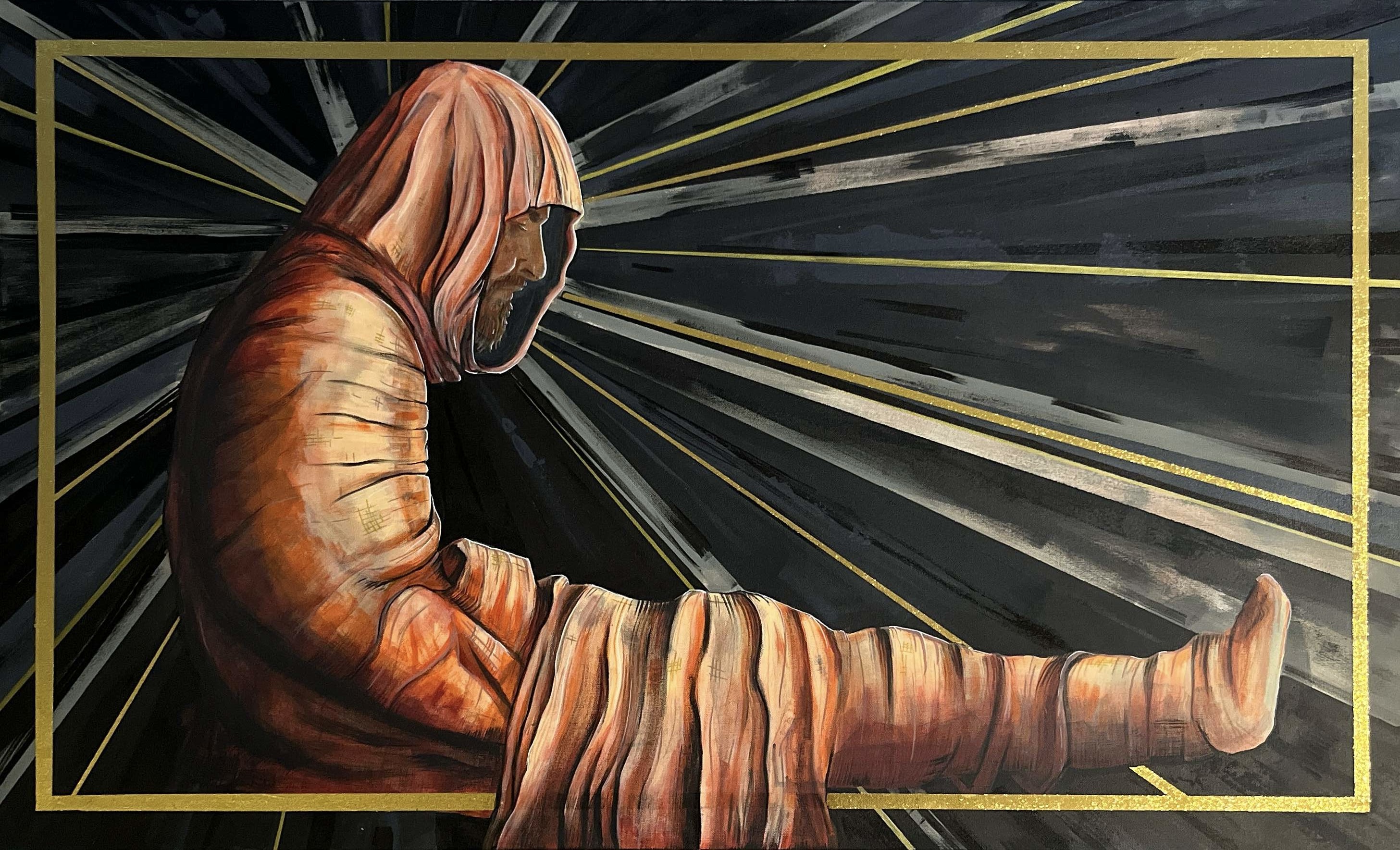
CHRIST’S FIRST BREATH – A Visio Divina Devotional
The Image Before You Picture Jesus in the first seconds of His resurrection—His body once lifeless now begins to stir. Imagine the silence of the tomb, the heavy stillness breaking as His chest rises. His fingers twitch, His eyelids flutter open. A slow, steady inhale fills His lungs with life again. The grave cloths shift as He sits up, light from the rolled-away stone filtering in as unsettled dust moves through the air. This is the moment of victory over death, the dawn of new creation.
Devotional Prompts:
- Gazing Upon the Image: Spend time simply observing. What details stand out? Where does your eye naturally go?
- Entering the Scene: Imagine you are in the tomb, witnessing this moment. What do you see? How does the air feel? What sounds, or the absence of them, fill the space?
- Jesus’ First Breath: Meditate on the significance of Jesus taking His first breath after death. What does this say about God’s power, about hope, about renewal? How does it connect to the breath of God filling Adam’s nostrils in Genesis?
- Resurrection in you: What areas of your life do you need resurrection? Where’s God breathing new life into you already?
- Responding in Prayer: Speak to Jesus as the Risen One. What do you want to say? How does He respond?
Let this image of Jesus’ first moment of resurrection shape your heart, filling you with the hope of His living presence. May you breathe in His new life today.
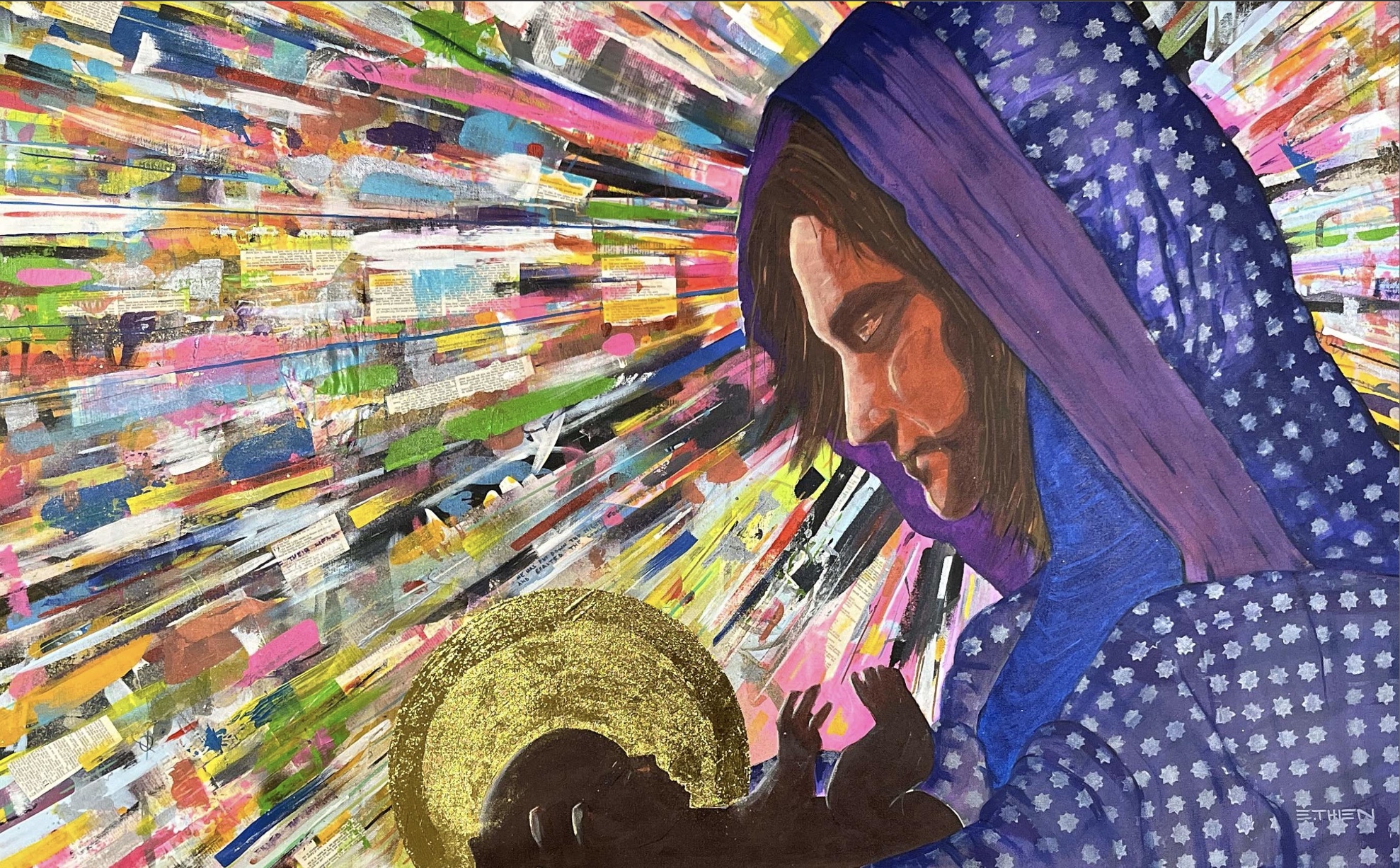
SACROSANCT: A Visio Divina Devotional
Reflection on the Image: The word Sacrosanct refers to moment so sacred and so holy that it considered too important to interrupt, change, or violate. As you contemplate an image of Mary holding the infant Jesus, with radiant colors surrounding her and a golden halo encircling the Christ child, enter into this sacred moment of wonder, praise, and beauty. Let the image bring to life Mary’s song of joy and thanksgiving in your heart.
Scripture: Read Luke 1:46-55 (The Magnificat) In this passage, Mary responds to the angel’s announcement and Elizabeth’s blessing with her song of praise. She magnifies the Lord, recognizing His mercy, justice, and favor toward the humble. It is a powerful reminder of God’s faithfulness and the establishment of God’s justice through Jesus’ ministry on earth.
Prompt Questions for Reflection:
- As you gaze upon Mary holding the radiant Christ, how does her posture of humility and joy inspire your own response to God’s presence in your life?
- In what ways do you see the themes of mercy, justice, and grace fulfilled in the image and from the words of the Magnificat?
- How might you, like Mary, magnify the Lord in your life this Advent season? How can you respond to God’s call with faith and trust?
Take a moment to rest in the presence of this sacred scene, allowing God to speak to your heart through both the scripture and the image. Let your soul echo Mary’s words, “My soul magnifies the Lord.”
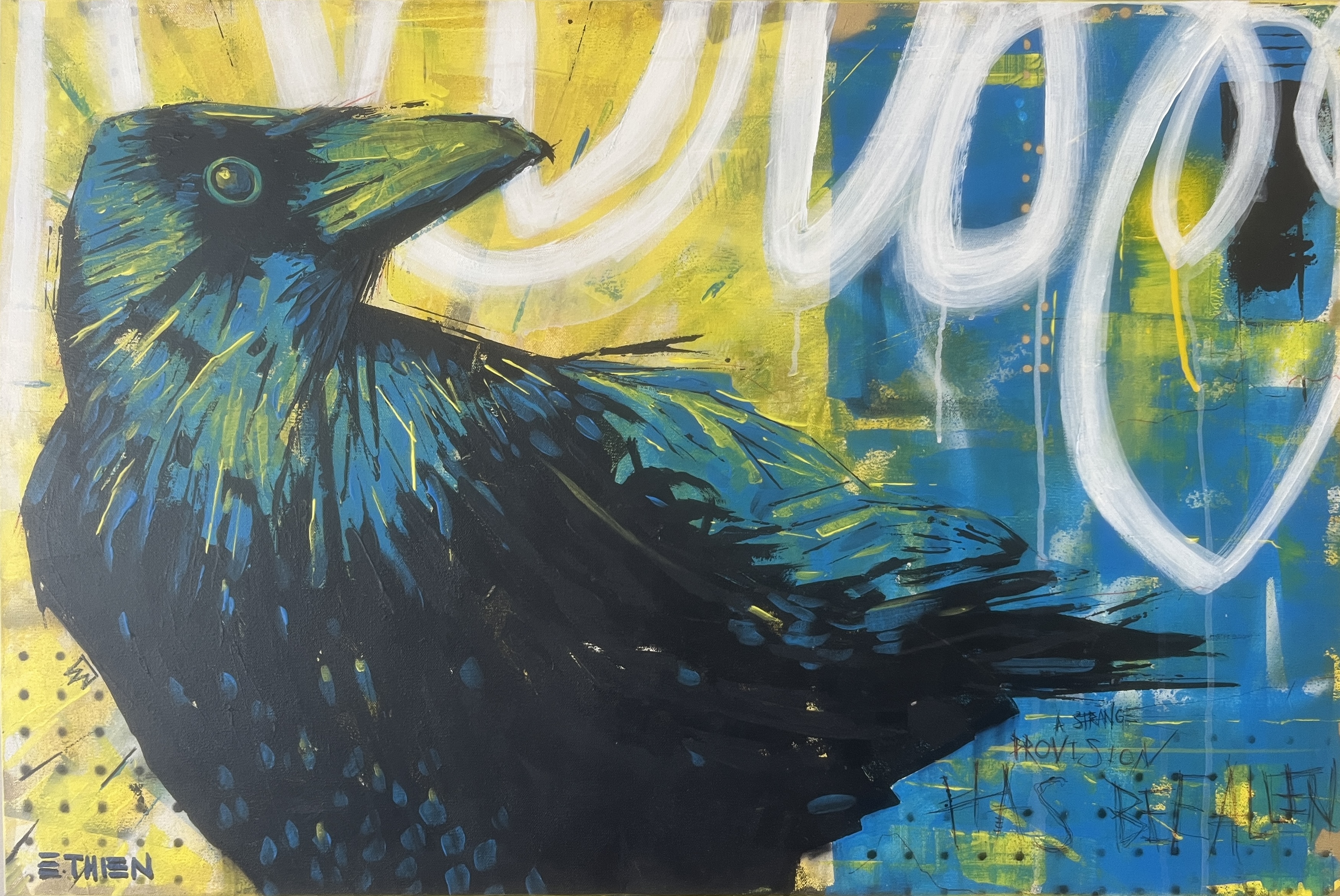
STRANGE PROVISION: A Vision Divina Devotional
Step 1: See Take a few slow breaths. Look at the image titled “Strange Provision.”
Notice the raven—dark, mysterious, yet somehow radiant against the bright, swirling colors behind it. Observe without judgment. What draws your attention? What emotions surface? Pause here for silence or journaling.
Step 2: Meditate Read this passage slowly: “The ravens brought him bread and meat in the morning and bread and meat in the evening, and he drank from the brook.” —1 Kings 17:6 This was God’s provision for Elijah—a prophet in hiding, alone in the wilderness. The raven, an unclean bird, becomes the bearer of divine sustenance. Provision came through something unexpected, even strange. Reflect:
- What does this image stir in you about God’s creativity and care?
- How do the bright colors behind the raven contrast with its dark figure? What might that tension symbolize about faith in desolate or uncertain seasons?
- What strange provisions has the Lord given you in your life—times when help came from unlikely places or people? Pause for reflection.
Step 3: Pray Turn your reflections into prayer. Ask God to open your eyes to His presence in the unconventional, the mysterious, the “strange.” Thank Him for the ways He’s sustained you, even when the means didn’t make sense. Pray also:
- In what way might God be asking you to become somebody else’s strange provision—to be the unexpected source of grace, encouragement, or sustenance?
- What fears or hesitations might you need to release to play that role?
Pause again for silence or communal prayer.
Step 4: Rest Rest in quiet. Simply sit in God’s presence. Allow gratitude to well up.
Let the image of the raven remain with you as a symbol of divine mystery—of a God who provides in ways that often surprise, unsettle, and ultimately sustain. “The Lord is my shepherd, I shall not want.” —Psalm 23:1
 EER ART STDIO